
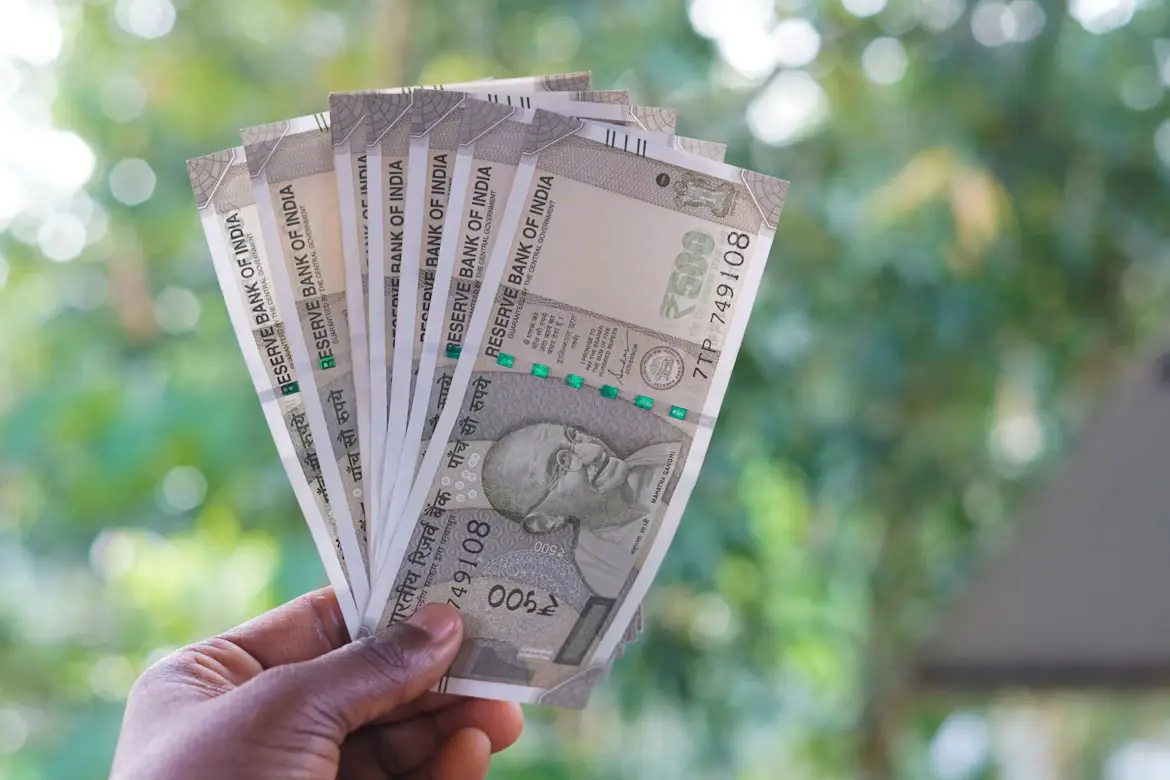
What happened last week
On 5 August 2026, the RBI kept the repo rate unchanged at 5.25% — the fourth review in a row with no change. It also raised its growth forecast to 6.7% and trimmed its inflation forecast to 5%.
Simple version: your home loan EMI is not changing right now. The next review is in October.
The reason is inflation. Retail inflation rose to 4.38% in June, the highest in about 18 months, driven by food and fuel prices. With prices drifting up, the RBI has no room to cut.
So if you've been waiting for rates to fall before buying in Ahmedabad or Vadodara, that wait just got longer.
The number that matters
Your floating-rate home loan works like this:
Your rate = RBI's repo rate (5.25%) + your bank's margin
The repo rate is the same for every borrower in India. The margin is not. It depends on your credit score, your down payment, and how well you negotiate.
The best rates today sit around 7.10%–7.75% at large banks. Those go to people with a 750+ credit score and clean documents. Everyone else pays 0.25% to 2% more.
Here's why that matters. On a ₹50 lakh loan for 20 years:
| Your rate | Monthly EMI | Total interest |
| 7.10% | ₹39,066 | ₹43.8 lakh |
| 8.00% | ₹41,822 | ₹50.4 lakh |
| 8.50% | ₹43,391 | ₹54.1 lakh |
The gap between the best and worst rate here is ₹10 lakh. A repo rate cut, if it comes in October, would save you about ₹780 a month.
So stop waiting for the RBI. Work on your own rate instead.
What this means in Gujarat
The market isn't waiting for you
Ahmedabad had its best half-year for home sales since the pandemic — 9,581 homes sold in the first six months of 2026, with 11,077 new units launched and prices up about 3%. Vadodara is following the same pattern at a smaller ticket size.
Prices in both cities are rising faster than any rate cut would save you. Waiting a year to save 0.25% on interest while paying 5–7% more for the same flat is a losing trade.
The cost everyone forgets
Banks lend against the property value only. Stamp duty and registration are your cash, not the bank's.
In Gujarat: stamp duty 4.9%, plus 1% registration — and women buying in their sole name are exempt from the 1% registration fee.
On a ₹50 lakh flat that's roughly ₹2.45 lakh + ₹50,000 = ₹2.95 lakh, on top of your down payment. With a 20% down payment, you need about ₹13 lakh in hand before you get the keys.
Adding a male co-owner cancels the women's waiver, so decide ownership before the sale deed is executed. Confirm current rates on the GARVI portal — slabs change.
The jantri trap
The jantri rate is Gujarat's government-notified minimum property value. Two things follow, and both catch buyers off guard:
- Stamp duty is charged on the higher of your purchase price or the jantri value — so a deal below jantri doesn't reduce your duty.
- Buy more than ₹50,000 below jantri and the entire difference can be added to your taxable income under Section 56(2)(x). On a ₹5 lakh gap, that's ₹1–1.5 lakh in extra tax.
There's a third effect: lenders reference jantri and their own valuation when sanctioning. If the bank values the property below your agreed price, your loan shrinks and your cash requirement grows. Check the jantri rate for your specific area on GARVI before agreeing a price — Alkapuri and Gotri aren't the same slab, and neither are Satellite and Chandkheda.
Don't take the builder's bank blindly
Buyers here often go with the builder's tie-up lender or their salary-account branch. That convenience regularly costs 25–75 basis points. Get three written offers — one public sector bank, one private bank, one housing finance company — and compare the sanctioned rate, not the advertised one.
5 things to do
1. Fix your credit score before you apply. Banks reserve their lowest rates for 750+. Clear small unpaid balances, keep card usage under 30%, and start 3–6 months before applying. Once you're locked in at a higher rate, it's hard to bring down.
2. Already have a loan? Ask for a lower rate. Since October 2025, RBI rules let banks reduce your margin whenever your credit profile improves — no waiting for a reset. Walk in and ask: "Can you reassess my margin given my improved credit profile?" Carry a competing offer. Many borrowers get 25–50 basis points off just by asking.
3. Pay one extra EMI every year. This is the biggest win on the list. ₹50 lakh at 7.75% for 20 years means EMI ₹41,047 and total interest of ₹48.5 lakh. Pay one extra EMI a year using your bonus, and the loan closes in 17 years with interest of ₹40.3 lakh — a ₹8.2 lakh saving. Raise your EMI 5% each year instead, and it closes in about 12.5 years, saving roughly ₹16.8 lakh.
4. Prepayment is now free — use it. From 1 January 2026, lenders cannot charge foreclosure or prepayment penalties on floating-rate home loans taken by individuals for personal use. No minimum holding period. Any charge not stated in your sanction letter cannot be collected later.
5. Switch banks only if the math works. A transfer makes sense when the rate gap is at least 0.40–0.50% and you have 7+ years left. Then subtract processing fees, legal and valuation charges, and fresh stamp duty on the mortgage document. If the net saving is under ₹50,000, don't bother — use the offer to negotiate with your current bank.
Two warnings
On tax: Under the new tax regime — now the default — you get no home loan deduction on a self-occupied house. Neither the ₹2 lakh interest benefit nor the ₹1.5 lakh principal benefit exists there. Those are old-regime only. Run both before assuming your loan saves you tax.
On co-applicants: Add a family member to boost eligibility without putting their name on the property papers, and they get zero tax benefit — even if they pay every EMI. Co-borrower and co-owner are not the same thing.
Need help?
At Prarvi Consultancy, we help Ahmedabad and Vadodara homebuyers compare real sanctioned offers instead of advertised rates, check jantri values before you commit to a price, and structure ownership correctly for stamp duty and tax.

Comments (0)
Be the first to share your thoughts.